
Anxiety Therapy in San Francisco
Anxiety is exhausting in a way that's hard to explain to people who don't have it.
It's also one of the most treatable problems that brings people to therapy. Work on it with a licensed therapist, in person downtown or online.
Book a free 15-minute consult Or call (415) 343-5890- Licensed psychologists and therapists
- In person at 582 Market St
- Secure video across California
- Practical, CBT-informed therapy

Our therapists
After your free consult, we match you with the therapist whose training, style and availability fit.
 Dr. Andrea ZorbasPsy.D., Licensed Clinical Psychologist, Founder and Clinical DirectorSee bio
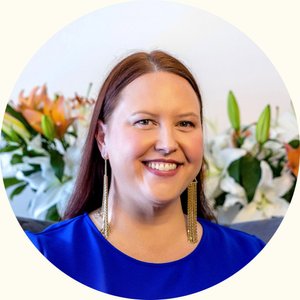 Dr. Kimberlee DurhamPsy.D., Licensed Clinical Psychologist, Clinical SupervisorSee bio
 Dr. David ShepardPsy.D., Licensed Clinical Psychologist, Clinical SupervisorSee bio
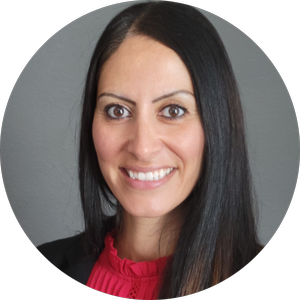 Dr. Shiva AminPh.D., Licensed Clinical PsychologistSee bio
 Dr. Stephanie FongPsy.D., Licensed Clinical PsychologistSee bio
 Pooja MamidannaLMFT, Licensed Marriage and Family TherapistSee bio
 Sheila BharatLCSW, Licensed Clinical Social WorkerSee bio
 Kiai KimNCC, LPCC, Licensed Clinical CounselorSee bio
 Dr. Anlie ReichelPh.D., Psychological AssociateSee bio
 Dr. Neko MiltonPsy.D., Psychological AssociateSee bio
 Dr. Annalisa SiaguraPh.D., Post-doctoral FellowSee bio
Does this sound familiar?
- High-functioning anxiety. Successful by every external measure, and also constantly tired and unable to rest.
- Chronic worry. A steady stream of worst-case thinking you can't quite turn off.
- Panic attacks. Racing heart, tight chest, shortness of breath, sometimes out of nowhere.
- Social anxiety. Dread before meetings or dinners. Rehearsing conversations before they happen, replaying them after.
- Health anxiety. Physical sensations that get read as signs of something serious.
With the right approach, the constant low hum of worry gets quieter, the spikes of panic get less frequent, and the parts of your life anxiety has been eating start to come back.
How it works
- Fill out the short form on our Get in Touch page, or call (415) 343-5890.
- We call you back for a free 15-minute consult and match you with a therapist.
- Your first 50-minute session, in person downtown or by secure video anywhere in California.
Questions
What brings people to anxiety therapy?
On the outside, you're handling things. You show up to work, answer the emails, make the plans, meet the deadlines. On the inside, your mind is running a continuous background process: What did I forget? What's going to go wrong? Did that come across wrong? Am I doing enough?
You might have lived with it long enough that it just feels like who you are. Or it might have gotten worse recently, after a life change, a work shift, or for no clear reason at all.
Anxiety shows up in different ways, and the clients who come to Therapy Now SF don't all look the same. Some common patterns:
- High-functioning anxiety. You're successful by every external measure, and also constantly tired, over-preparing, and unable to rest even when there's nothing urgent to do. The anxiety is the engine and the cost at the same time.
- Chronic worry. A steady stream of worst-case thinking that you can't quite turn off. Small decisions feel heavy. Big ones feel impossible.
- Panic attacks. Episodes of intense physical symptoms (racing heart, tightness in the chest, shortness of breath) that can come seemingly out of nowhere, or start to cluster around specific situations.
- Social anxiety. Dread before meetings, dinners, or any situation where you feel watched or evaluated. Rehearsing conversations before they happen, replaying them after.
- Health anxiety. Physical sensations that pull your attention and get interpreted as signs of something serious, even when you know they're probably not.
- Anxiety tied to work, relationships, or life transitions. Work stress, relationship anxiety, or burnout that's crossed over into something persistent and harder to shake.
You don't need to fit one of these labels cleanly to benefit from anxiety therapy. What matters is that anxiety is costing you more than it's helping.
How does anxiety therapy work?
The first few sessions are about understanding your specific version of anxiety: what triggers it, what keeps it going, what the cost is, and what the goals are. From there, the work tends to move in two directions at once.
One direction is the thinking patterns. Anxiety runs on a set of automatic interpretations that usually aren't accurate. A delay becomes a catastrophe. A neutral face becomes disapproval. A physical sensation becomes a threat. Learning to notice these patterns and test them against reality is a core part of the work. This is the territory of cognitive distortions, which show up in almost every anxiety presentation.
The other direction is behavior. Anxiety convinces you that the way to feel safer is to avoid, over-prepare, or control. In the short term those responses bring relief. In the long term they feed the anxiety. The work involves building tolerance for the discomfort in a paced, manageable way so that anxiety has less power to run your life.
Different clinicians on our team draw from different approaches depending on the client and the situation. That can include elements of cognitive behavioral therapy, mindfulness-based approaches, somatic work, and others. The through-line is that the work is practical, focused, and aimed at producing change you can feel in your daily life.
Most clients start to feel a meaningful shift within the first several sessions.
When should I consider it?
There's no threshold you have to cross to come in. You don't need to be in crisis, and you don't need to have a diagnosis.
Reasonable reasons to start: the anxiety has been there long enough that you've stopped noticing it. It's affecting your sleep, your work, your relationships, or your willingness to do things you used to enjoy. You've tried managing it on your own and the relief isn't lasting. Something recent has made it worse.
The clients who get the most out of anxiety therapy tend to come in before the anxiety has fully reshaped their lives around it. Earlier is easier.
What happens in the first session?
The first session is 50 minutes. You'll talk about what brought you in, how anxiety has shown up in your life, what you've already tried, and what a good outcome would look like for you. It's a conversation, not an assessment.
Most clients start weekly, then shift to biweekly as the work progresses. If the therapist you meet with isn't the right fit, we'll say so and help you find someone on our team (or elsewhere) who is.
What does it cost, and do you take insurance?
Sessions are 50 minutes and range from $195 to $275, depending on the clinician. We'll go over fees on your free consult call.
We don't take insurance directly. We provide a monthly superbill you can submit to your insurer, and many PPO plans reimburse 40 to 80% of the session fee for out-of-network providers.
Related reading
Book a free consult
If anxiety has been running the show for a while and you're ready to change that, we'd like to hear from you. Book a free 15-minute consultation to find out if we're a good fit.
Book a free 15-minute consult Or call (415) 343-5890